CategoryHealth and Research

Vitiligo

V

Vitiligo is a condition that causes depigmentation of parts of the skin. It occurs when melanocytes, the cells responsible for skin pigmentation, die or are unable to function. The cause of vitiligo is unknown, but research suggests that it may arise from autoimmune, genetic, oxidative stress, neural, or viral causes. The incidence worldwide is less than 1%. There are two main types of vitiligo:...

Vision

V

Vision An eye is an organ of vision that detects light. Different kinds of light-sensitive organs are found in a variety of organisms. The simplest eyes do nothing but detect whether the surroundings are light or dark, while more complex eyes can distinguish shapes and colors. Vision Research is a journal devoted to the functional aspects of human, vertebrate and invertebrate vision and publishes...

TINNITUS

T

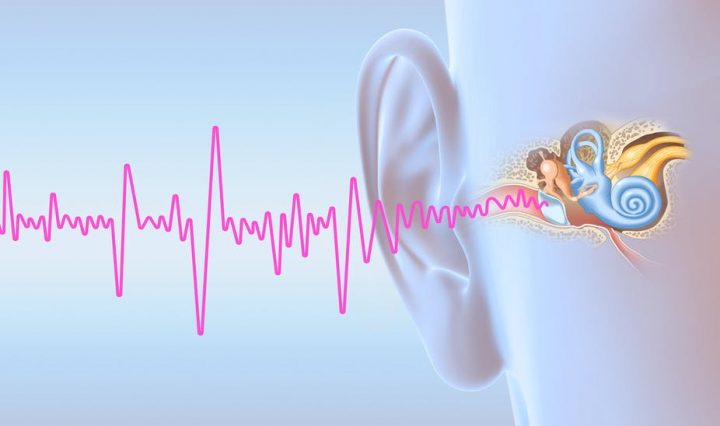
In They may believe they are connecting to some sort of extrasensory frequency symptom. hyperkalemia. hyponatremia UFOs, government experiments, or something else in that field. One must be very careful crossing the line here from a physical problem into a metaphysical solution. Tinnitus is the perception of sound within the human ear (“ringing of the ears”) when no external sound is...

Thyroid

T

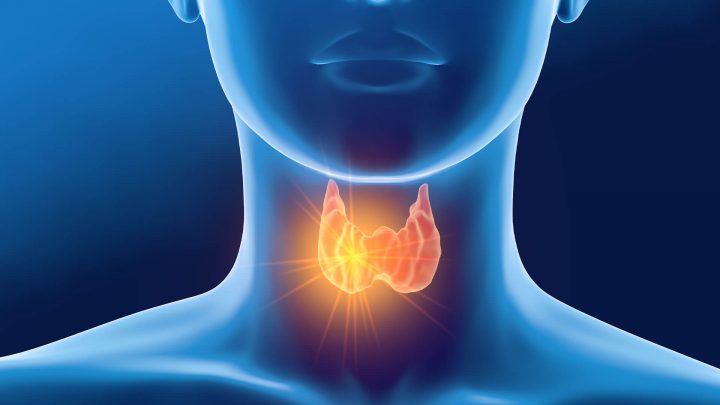
Sluggish, tired, gaining weight? There are many reason this could be happening as changes are always going on in your body. One of explanations for the way you feel could relate to your thyroid. diseases are common worldwide. In India too, there is a significant burden diseases. According to a projection from various studies on disease, it has been estimated that about 42 million people in India...

synethesia

s

People who report such experiences are known as synesthetes. synesthesia In one common form of synesthesia, known as grapheme -> color synesthesia or color-graphemic synesthesia, letters or numbers are perceived as inherently colored, while in ordinal linguistic personification, numbers, days of the week and months of the year evoke personalities. In spatial-sequence, or number form synesthesia...

Stem Cells

S

stem cells undifferentiated biological that can differentiate into specialized and can divide (through mitosis) to produce. mammals, there are two broad types of stem cells embryonic, which are isolated from the inner cell mass of blastocysts, and adult stem cells, which are found in various tissues. You’ve heard about cells in the news, and perhaps you’ve wondered if they might help...

Senses

S

A sense is a physiological capacity of organisms that provides data for perception. their operation, classification, and theory are overlapping topics studied by a variety of fields, most notably neuroscience, cognitive psychology (or cognitive science), and philosophy of perception. The nervous system has a specific sensory system or organ, dedicated to each sense. Humans have a multitude. Sight...

Seasonal Affective Disorder (SAD)

S

Seasonal Affective Disorder also known as winter depression, winter blues, summer depression, summertime sadness, or depression, is a mood subset in which people who have normal mental health throughout most of the year experience depressive symptoms in the winter or summer. In the Diagnostic and Statistical Manual of Mental Disorders DSM-IV and DSM-5, its status was changed. It is no longer...

Prosopagnosia

P

Prosopagnosia (sometimes known as face blindness) is a rare disorder of face perception where the ability to recognize faces is impaired, although the ability to recognize objects may be relatively intact. It usually appears to result from brain injury or neurological illness affecting specific areas of the brain, although more recently cases of congenital or developmental prosopagnosia have...

Phantom Limb Syndrome

P

A phantom limb is the sensation that an amputated or missing limb (even an organ, like the appendix) is still attached to the body and is moving appropriately with other body parts. Approximately 60 to 80% of individuals with an amputation experience phantom sensations in their amputated limb, and the majority of the sensations are painful. Phantom sensations may also occur after the removal of...