CategoryHealth and Research

Olfaction, Sense of Smell

O

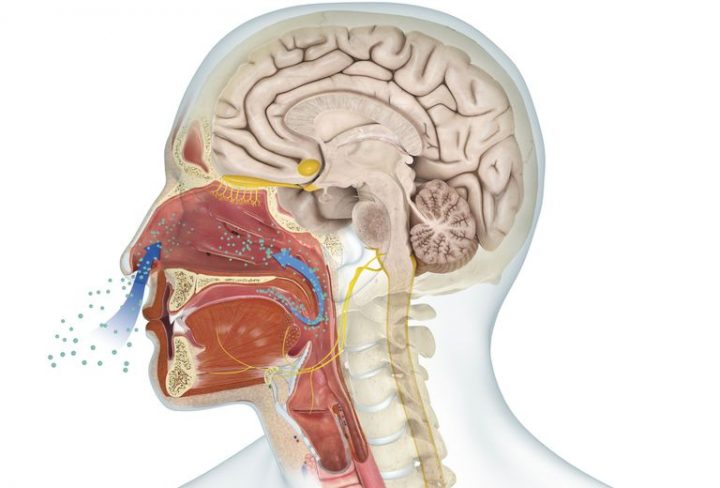
This sense is mediated by specialized sensory cells of the nasal cavity of vertebrates, Olfaction Sense which can be considered analogous to sensory cells of the antennae of invertebrates. In humans, olfaction occurs when odorant molecules bind to specific sites on the olfactory receptors. These receptors are used to detect the presence of smell. They come together at the glomerulus, a structure...


Influenza – Flu

I

infectious disease caused by the virus. Symptoms can be mild to severe. The most common symptoms include: Influenza a high fever, runny nose, sore throat, muscle pains, headache, coughing, and feeling tired. These symptoms typically begin two days after exposure to the virus and most last less than a week. The cough, however, may last for more than two weeks. The flu attacks the lungs, nose and...

Hyperlexia

H

a child spontaneously and precociously masters single-word reading. hyperlexia It can be viewed as a superagility, that is, word recognition ability far above expected levels. The more common definition also includes difficulties with comprehension of printed material beyond or even at the single-word level. Many hyperlexic also have trouble understanding speech. Most or perhaps all children with...

Hepatitis

H

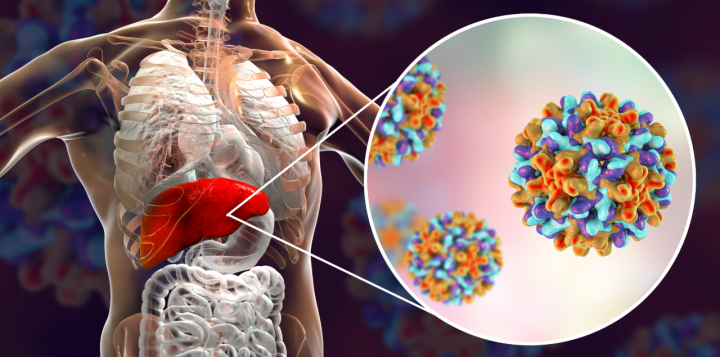
Hepatitis (plural hepatitides) Hepatitis The name is from the Greek the root being heat-), meaning liver, and suffix -it is, meaning “inflammation” (c. 1727). The condition can be self-limiting (healing on its own) or can progress to fibrosis (scarring) and cirrhosis. Hepatitis may occur with limited or no symptoms, but often leads to jaundice, anorexia (poor appetite) and malaise...

Hearing

H

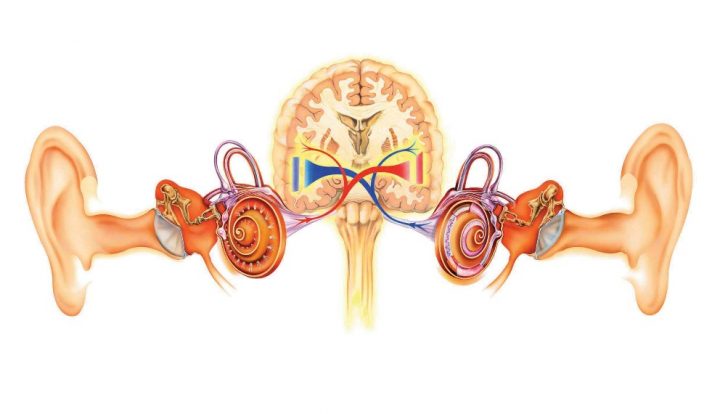
Auditory perception Audition is the ability to perceive sound by detecting vibrations, changes in the pressure of the surrounding medium through time, through an organ such as the ear. Sound may be heard through solid, liquid, or gaseous matter. It is one of the traditional five senses; partial or total inability to hear is called loss.The outer ear includes the pinna, the visible part of the...

Headaches

H

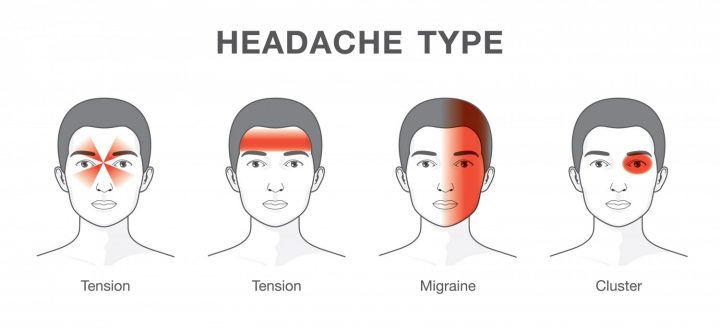
Headache In medicine, a headache or cephalalgia is a symptom of a number of different conditions of the head and sometimes neck. Headache Some of the causes are benign while others are medical emergencies. It ranks among the most common pain complaints. There are a number of different classification systems. The most well recognized is that of the International Headache Society. Treatment of a...

Ebola Virus Disease

E

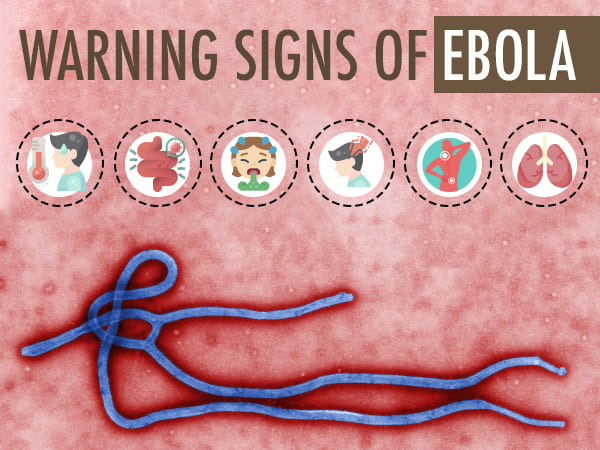
Ebola virus disease (EVD) (or Ebola hemorrhagic fever (EHF)) is the name for the human disease which may be caused by any of four of the five known ebolaviruses. Ebola virus (EBOV) causes severe disease in humans and in nonhuman primates in the form of viral hemorrhagic fever. EBOV is a select agent, World Health Organization Risk Group 4 Pathogen (requiring Biosafety Level 4-equivalent...

Dysgraphia

D

Dysgraphia is a deficiency in the ability to write, primarily handwriting, but also coherence. transcription disability, meaning that it is a writing disorder associated with impaired handwriting, orthographic coding (orthography, the storing process of written words and processing the letters in those words), and finger sequencing (the movement of muscles required to write). It often overlaps...

Cancer

C

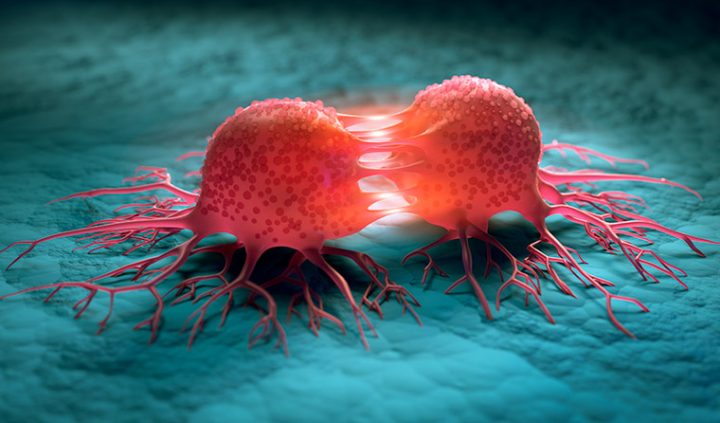
Cancer also known as a malignant tumor or malignant neoplasm involving abnormal cell growth with the potential to invade or spread to other parts of the body. Not all tumors are cancerous; benign tumors do not spread to other parts of the body. Possible signs and symptoms include: a new lump, abnormal bleeding, a prolonged cough, unexplained weight loss, and a change in bowel movements among...

Blinking

B

Blinking IS THE RAPID CLOSING AND OPENING OF THE EYELID It is an essential function of the eye that helps spread tears across and remove irritants from the surface of the cornea and conjunctiva Blink speed can be affected by elements such as fatigue, eye injury, medication, and disease. The blinking rate is determined by the “blinking center”, but it can also be affected by external...